

Better Cotton Initiative (BCI) Certification
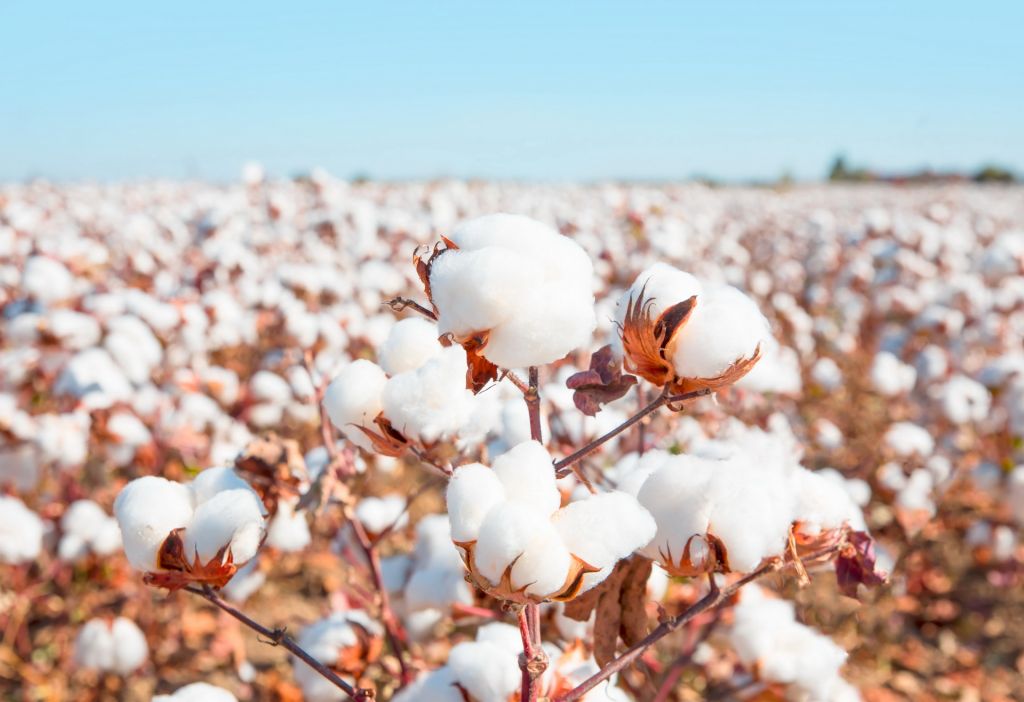 Better Cotton Initiative (BCI) Certification for Textile Supply Chains is becoming increasingly important for companies that source, process, manufacture, trade or sell cotton-based textile and apparel products. As brands and retailers strengthen their sustainability commitments, suppliers are expected to provide better evidence of responsible cotton sourcing, traceability, chain of custody control and credible claims.
Clean Globe International Pty Ltd is an approved certification body for Better Cotton Initiative (BCI) certification services, with approval for:
- Independent Assessment Verification
- Chain of Custody Certification
Clean Globe supports textile supply chain members including ginners, spinners, knitters, weavers, dyeing and processing units, fabric mills, garment manufacturers, home textile manufacturers, vertical mills, traders, importers, exporters, brands and retailers that wish to prepare for BCI certification and strengthen their position in the sustainable cotton market.
Why BCI Certification Matters Now
Cotton supply chains are entering a new phase of sustainability assurance. Buyers are no longer asking only for a certificate. They are asking for clear data, product-level traceability, reliable sourcing records, stronger claims control and evidence that suppliers can support upcoming regulatory expectations in Europe and other major markets.
BCI certification helps textile supply chain members move from basic sustainability statements to structured, auditable systems. It supports the practical controls needed to handle BCI Cotton, document transactions, maintain chain of custody, manage sourcing claims and respond to buyer due diligence requests.
Attractive Sustainability Impact Data for Supply Chain Members
BCI is one of the most influential cotton sustainability programmes in the world. The following data points are useful for attracting textile supply chain members because they show the scale of market demand and the contribution that certified suppliers can make:
| Impact signal | What it means | Why it matters for supply chain members |
| 23% of global cotton production | BCI Cotton accounted for 23% of global cotton production in the 2023-24 cotton season. | Shows that BCI Cotton is not a niche request. It is already a major global sourcing route for brands and retailers. |
| 5.6 million metric tonnes | Around 5.6 million metric tonnes of BCI Cotton were produced across 15 countries in the 2023-24 cotton season. | Signals supply availability and market relevance for spinners, fabric mills, manufacturers and traders. |
| 1.4 million licensed farmers | Around 1.4 million licensed farmers produced BCI Cotton, while more than 1.63 million cotton farmers received training. | Shows a direct link between supply chain demand and cotton-growing communities. |
| 2,200+ supplier and manufacturer members | BCI reports more than 2,200 Supplier and Manufacturer Members in 65 countries. | Demonstrates that suppliers are already using BCI membership and certification to access buyer demand. |
| 3.2 million tonnes sourced by spinners in 2023 | BCI states that Spinner Members sourced 3.2 million tonnes of BCI Cotton in 2023. | Highly relevant for spinning mills and downstream manufacturers looking to align with global sourcing flows. |
| More than EUR 200 million channelled to cotton-growing communities | BCI says it has channelled EUR 200 million to cotton-growing communities over the past 16 years. | Helps buyers and suppliers communicate the broader contribution of responsible cotton sourcing. |
Certification gives suppliers a more credible way to participate in this impact.
Every certified organization that correctly sources, processes, records and sells BCI Cotton helps strengthen the link between buyer demand, supplier accountability and cotton-sector improvement.
 What Is Better Cotton Initiative (BCI)?
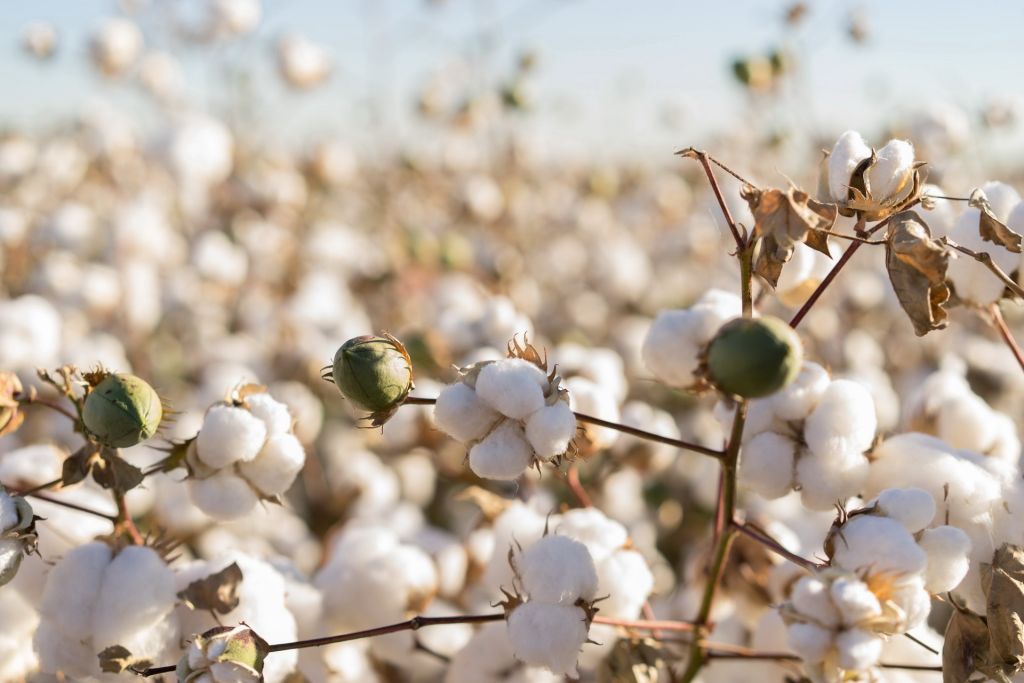
Better Cotton Initiative, commonly known as BCI, is a global sustainability programme focused on improving cotton production and supporting more responsible cotton supply chains. The cotton sourced through the Better Cotton Initiative is now called BCI Cotton. BCI works with farmers, suppliers, manufacturers, traders, brands, retailers, civil society and other stakeholders to promote better practices across the cotton sector.
For textile and apparel supply chains, BCI certification focuses on whether an organization has the systems and evidence required to source, process, handle, trade or sell BCI Cotton in line with the applicable standard requirements.
Who Should Apply for BCI Certification?
BCI certification is suitable for many organizations across the cotton and textile value chain. Clean Globe welcomes enquiries from:
- Ginners and raw cotton handlers
- Cotton traders, merchants, importers and exporters
- Spinning mills and integrated spinning operations
- Knitting mills, weaving mills and fabric manufacturers
- Dyeing, printing, finishing and processing units
- Garment manufacturers and home textile manufacturers
- Vertical textile mills managing multiple production stages
- Sourcing agents, buying houses and supply chain intermediaries
- Retailer & Brand Members requiring Independent Assessment of their annual cotton fibre consumption measurement.
| Supply chain member | Why BCI certification matters | Evidence to prepare |
| Ginners | Need strong controls from farm/ginner level and material identification. | Origin records, purchase records, lot identification, storage controls, outgoing documentation. |
| Spinners | Often carry the largest volume responsibility in BCI sourcing and buyer requests. | BCP transactions, yarn production records, mass balance or physical CoC controls, reconciliation. |
| Knitters, weavers and fabric mills | Help convert certified yarn into BCI fabric for brands and manufacturers. | Input/output records, production batches, fabric identification, subcontractor controls. |
| Processors | Dyeing, printing and finishing units need to preserve product identity and documentation integrity. | Receiving records, process flow, batch control, loss/waste records, dispatch documents. |
| Manufacturers | Garment and home textile suppliers need to prove BCI Cotton claims are linked to the correct orders. | BOMs, cutting/sewing records, product labels, sales invoices, buyer order references. |
| Traders and exporters | Need robust transaction control even where they do not physically transform products. | Purchase/sales documentation, ownership transfer records, BCP transaction data, supplier/buyer records. |
| Brands and retailers | Need confidence that sustainability claims are backed by traceability, certification and supplier evidence. | Supplier mapping, sourcing claims, product-level information, internal approval controls. |
Clean Globe Scope of Approval for BCI Certification
Clean Globe International Pty Ltd is approved for the following Better Cotton Initiative scopes:
1. Independent Assessment Verification
Independent Assessment supports assurance where an independent review is required for BCI-related systems, sourcing activities, reporting or claims. It helps brands, retailers and supply chain members strengthen confidence in sustainability data and cotton sourcing controls.
2. Chain of Custody Certification
BCI Chain of Custody certification applies to supply chain organizations that source, process, store, transform, trade or sell BCI Cotton. Chain of Custody requirements help organizations demonstrate how BCI Cotton is received, handled, processed, reconciled and sold through the supply chain.
BCI Chain of Custody Models
The BCI Chain of Custody Standard allows organizations to implement one or a combination of CoC models depending on the supply chain stage, product type, customer requirement and sourcing model. The key models include:
| CoC model | Simplified explanation | Business use |
| Mass Balance | BCI Cotton can be mixed with conventional cotton in the supply chain. Organizations allocate BCI Cotton Claim Units (BCCUs) to eligible cotton-containing orders. | Useful for scalable sourcing where physical origin of cotton in a specific product is not guaranteed. |
| Segregation – Single Country | Physical BCI Cotton from one country is kept physically separate from conventional cotton and from BCI Cotton of other origins. | Relevant where country-of-origin traceability is required. |
| Segregation – Multi-Country | Physical BCI Cotton from more than one country is kept separate from conventional cotton throughout the supply chain. | Useful where multiple BCI origins are handled but conventional cotton must be separated. |
| Controlled Blending | Physical BCI Cotton and conventional cotton may be mixed within a production batch under controlled conditions, resulting in a percentage claim. | Useful from spinning onwards where supply chains are transitioning towards Physical BCI Cotton. |
Important: Supply chain organizations wishing to source and process Physical BCI Cotton must align with the BCI Chain of Custody Standard and be certified where required. Organizations should confirm the correct scope and model before making customer commitments or product claims.
BCI Certification and EU Regulatory Readiness
 BCI certification is not a legal compliance certificate for EU regulations.
However, it can help textile supply chain members build the type of management system, material traceability, supplier documentation, transaction records and claims control that brands and retailers increasingly need for EU market access and sustainability reporting.
This is especially important because EU policy is moving towards product-level data, verified environmental communication, circularity, due diligence and stronger supply chain accountability.
Certified suppliers that can provide structured records are more attractive to EU-facing brands and retailers.
| EU driver | Why it matters to textile supply chains | How BCI certification readiness helps |
| EU Sustainable and Circular Textiles Strategy | The EU strategy aims to make textiles more durable, repairable and recyclable, introduce Digital Product Passports, address microplastics, create harmonised textile EPR rules and restrict textile waste export. | BCI CoC supports reliable cotton sourcing records, material-flow control and product information that can feed wider textile circularity and traceability systems. |
| ESPR and Digital Product Passport (DPP) | The Ecodesign for Sustainable Products Regulation is the framework for sustainable products. For textiles, DPP expectations point towards product data, material composition, origin, circularity and sustainability information. | BCI certification prepares suppliers to organise cotton source, product batch, material model and transaction data needed for future DPP-related requests. |
| CSRD and ESRS reporting | Companies in scope of CSRD must report using European Sustainability Reporting Standards. Large brands may request value-chain data from suppliers to support reporting. | Certified suppliers can respond better to buyer data requests on cotton sourcing, chain of custody, material inputs and claims evidence. |
| CSDDD due diligence | The Corporate Sustainability Due Diligence Directive aims to foster responsible business conduct in companies, subsidiaries and global value chains. | BCI certification supports documented supplier controls and traceability evidence, helping suppliers show that they have structured systems for responsible sourcing. |
| EU green claims and consumer protection rules | EU policy is strengthening requirements against misleading environmental claims. Claims need evidence, clarity and consistency. | BCI certification and the BCI Claims Framework help suppliers and brands avoid unsupported cotton-related sustainability claims. |
| EU Forced Labour Regulation | From 14 December 2027, products made with forced labour may not be sold in or exported from the EU market. Companies must understand and manage supply chain risk. | BCI certification is not a forced-labour legal approval, but traceability, site records and supplier documentation can support broader risk assessment and buyer due diligence. |
| Revised Waste Framework Directive – Textile EPR | EU Member States must establish EPR schemes for textile and footwear products under common rules, financing collection, reuse, recycling and disposal. | Cotton product data, material content records and supply chain documentation will become more valuable for brands managing EPR fees and circularity data. |
| PPWR – Packaging and Packaging Waste Regulation | PPWR covers all packaging and packaging waste in the EU, setting requirements for packaging composition, recyclability, reusability and waste management. | Textile suppliers exporting to EU customers should keep packaging specifications and packaging material data ready alongside product certification data. |
| EUDR – Deforestation-free products | EUDR currently focuses on commodities such as cattle, wood, cocoa, soy, palm oil, coffee and rubber, and certain derived products. Cotton is not listed as one of the core commodities in the current EU source summary. | Cotton suppliers should still monitor buyer expectations on deforestation risk, especially if handling mixed product ranges, packaging, rubber accessories, leather trims or paper-based materials. |
Pre-Certification Readiness Checklist
Before applying for BCI certification, supply chain members should prepare the following information and records:
- Company and site details: legal entity name, site address, process scope, product categories and contact persons.
- BCI Platform readiness: BCI Platform account status, user access and transaction responsibilities where applicable.
- Supply chain map: approved suppliers, customers, subcontractors and the flow of cotton-containing products.
- CoC model selection: confirmation of Mass Balance, Segregation, Controlled Blending or combined model requirements.
- Purchasing records: purchase orders, supplier invoices, delivery notes and incoming material identification.
- Production records: batch records, conversion factors, processing loss, storage controls and internal movement records.
- Sales and dispatch records: sales invoices, delivery documents, buyer order references and product descriptions.
- Volume reconciliation: clear reconciliation between purchased, processed, stored and sold BCI Cotton volumes.
- Claims control: approval process for any BCI-related product, marketing or sustainability claims.
- EU buyer readiness: origin data, material composition, packaging details, due diligence information and evidence files for buyer compliance requests.
- For further details visit: https://bettercotton.org/
How Clean Globe Supports Your BCI Certification Journey
- Initial enquiry and scope confirmation – Clean Globe reviews your business activity, products, site processes and intended BCI scope.
- Application review – We confirm the applicable certification route, Chain of Custody model and documentation requirements.
- Audit planning – The audit is planned according to site complexity, process flow, product type and BCI requirements.
- Assessment – Our qualified team assesses your procedures, records, BCI Platform use, material flow, production controls, sales records and volume reconciliation.
- Corrective action review -. Where non-conformities are identified, the organization submits corrective actions and evidence for review within the applicable timelines
- Certification decision – After successful completion of the assessment and review process, certification is issued according to applicable BCI and certification body requirements.
- Ongoing support – Clean Globe manages applicable surveillance, monitoring and recertification activities in accordance with BCI requirements.
Why Choose Clean Globe for BCI Certification?
- Approved BCI certification body: Clean Globe International Pty Ltd is approved for Independent and Chain of Custody Assessments.
- Textile supply chain expertise: We understand ginning, spinning, knitting, weaving, dyeing, finishing, garment manufacturing, trading and brand sourcing realities.
- Practical certification approach: We simplify requirements into clear preparation steps for your technical, production, compliance and sustainability teams.
- Multi-standard knowledge: Many textile companies manage several sustainability standards. Clean Globe can help clients understand how BCI connects with broader chain of custody and sustainability assurance systems.
- Regulatory awareness: We help supply chain members understand how certification records can support buyer expectations linked to EU DPP, CSRD, CSDDD, green claims, textile EPR and wider sustainability due diligence.
- Global service mindset: Clean Globe supports international supply chains with responsive communication and practical certification service.
Apply for BCI Certification with Clean Globe
If your organization is a ginner, spinner, knitter, weaver, processor, manufacturer, trader, brand or retailer looking for Better Cotton Initiative certification, or else a retailer or brand who is looking for the Independent Assessment verification program, Clean Globe International Pty Ltd is ready to support your certification / verification journey.
Start your BCI certification process with Clean Globe and strengthen your position in the sustainable cotton supply chain.
Contact your closest Clean Globe office: https://cleanglobeint.com/contact-us/ or send your inquiries to info@cleanglobeint.com
FAQ
What is BCI certification?
BCI certification is a Better Cotton Initiative assurance process that verifies whether an organization meets the applicable BCI standard requirements. It supports credibility, traceability and responsible cotton sourcing.
Who needs BCI Chain of Custody certification?
BCI Chain of Custody certification is relevant for supply chain organizations that source, process, handle, trade or sell BCI Cotton, especially Physical BCI Cotton.
Is Clean Globe approved for BCI certification?
Yes. Clean Globe International Pty Ltd is approved for Better Cotton Initiative Independent Assessment and Chain of Custody certification services.
Which textile supply chain members can apply?
Ginners, spinners, knitters, weavers, processors, manufacturers, traders, brands and retailers can apply depending on their role in the BCI Cotton supply chain.
How does BCI certification help with EU regulatory readiness?
BCI certification does not replace legal compliance. However, it helps organizations build auditable records, traceability systems, sourcing controls and claims discipline that support buyer requests connected to EU sustainability regulations.
What should we prepare before applying?
Companies should prepare company details, process scope, supplier and customer records, CoC procedures, BCI Platform information, production records, volume reconciliation and claims control procedures.